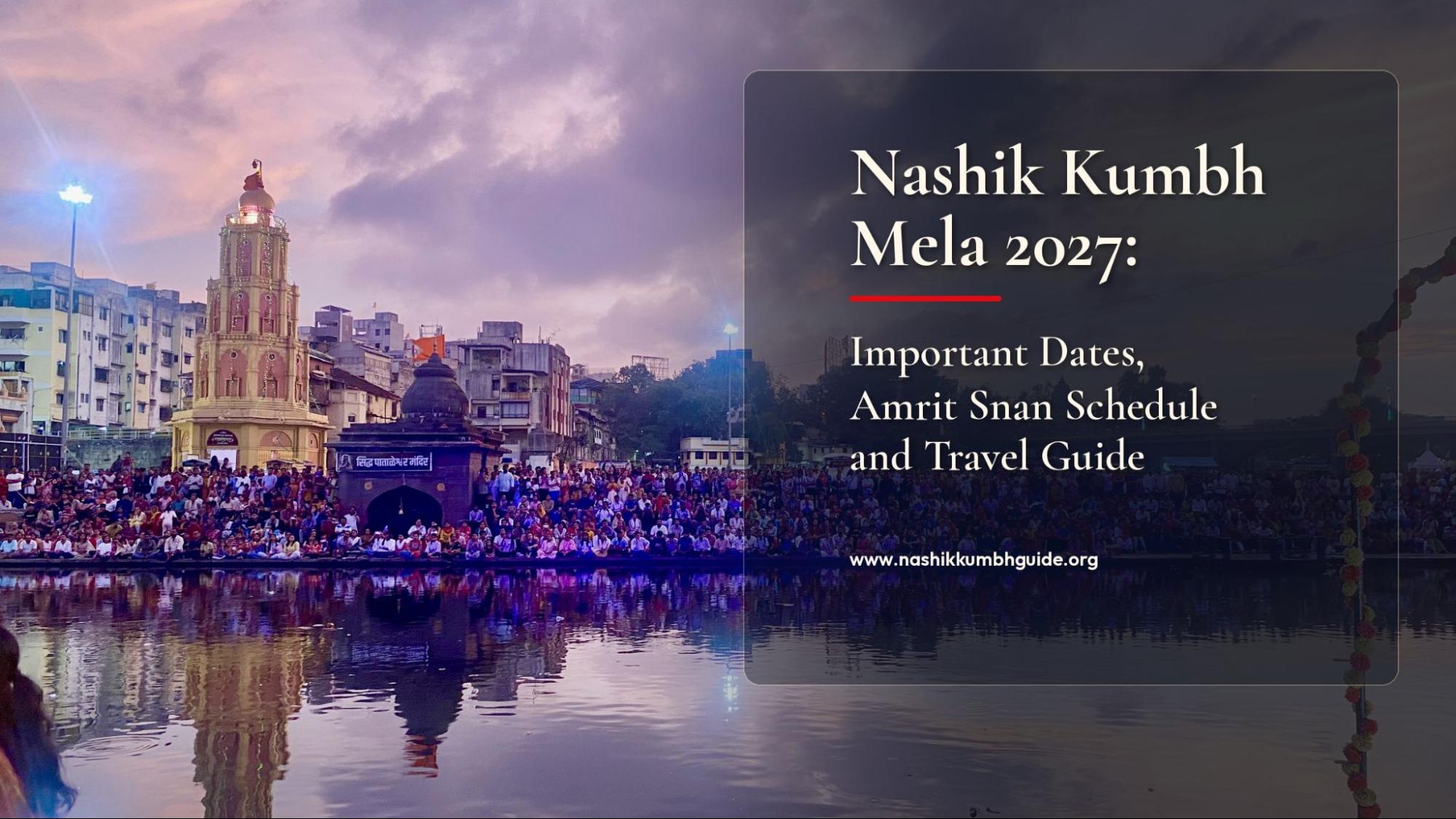
Nashik Kumbh Mela 2027: Important Dates, Amrit Snan Schedule and Travel Guide
Nashik Kumbh Mela 2027, also known as Nashik-Trimbakeshwar Simhastha Kumbh Mela, is one of the most significant religious events in Maharashtra. Thousands of pilgrims, Sadhus, and spiritual seekers visit Nashik and Trimbakeshwar to take part in a holy bath, pray, and enjoy the amazing atmosphere on offer.
The celebration starts with the raising of flags on 31st October 2026. The main days of Amrit Snan will run in August and September 2027. In this guide, we have covered all the important dates, bathing times, religious significance, local temples, travel tips, and everything else you need to enjoy a smooth and memorable family pilgrimage to the Nashik Kumbh Mela.
Nashik Kumbh Mela 2027 Dates and Amrit Snan Schedule
The Amrit Snan, traditionally known as Shahi Snan, is among the most important rituals of the Kumbh Mela. On these special days, members of different akhadas and other devotees gather at designated bathing places.
The following table summarises the key dates currently listed for the Nashik-Trimbakeshwar Simhastha.
Date
Occasion
Location
31 October 2026
Simhastha Dhwajarohan (flag hoisting)
Ramkund, Nashik, and Kushavarta Tirtha, Trimbakeshwar
29 July 2027
Nagar Pradakshina procession
Nashik
2 August 2027
First Amrit Snan
Nashik and Trimbakeshwar
31 August 2027
Second Amrit Snan
Nashik and Trimbakeshwar
11 September 2027
Third Amrit Snan
Nashik
12 September 2027
Third Amrit Snan
Trimbakeshwar
July 2028
Closing ceremonies
Nashik and Trimbakeshwar
Important Dates in Detail
Simhastha Dhwajarohan - 31 October 2026
Let's start with Dhwajarohan—the flag-hoisting ceremony. This isn't just a ritual; it marks the official start of the Simhastha period and means a lot to temples and spiritual communities alike.
The ceremony happens at Ramkund in Nashik and Kushavarta Tirtha in Trimbakeshwar. Right now, the schedule lists it for 12:02 PM, but be sure to check for the latest updates before you go.
First Amrit Snan - 2 August 2027
The first Amrit Snan will be held on the 2nd of August 2027. Devotees are expected to gather at these sites to pray.
With large crowds likely to be present, you may wish to give yourself extra travel time in the local area and follow any advice given by local authorities.
Second Amrit Snan - 31st August 2027
This will take place on 31st August 2027. Pilgrims will visit the Godavari Ghat and other holy bathing spots.
Check local bathing sites, road closures, and temple access.
Third Amrit Snan - 11 and 12 September 2027
The third Amrit Snan is scheduled across two locations on separate days:
11 September 2027 - Nashik, including Ramkund.
12 September 2027 - Trimbakeshwar, including Kushavarta Tirtha.
Why Is the Nashik Kumbh Mela Spiritually Important?
The Kumbh Mela is one of Hinduism's most significant pilgrimage gatherings. It takes place at four traditionally recognised locations: Nashik, Ujjain, Prayagraj, and Haridwar.
The Nashik edition is called the Simhastha Kumbh Mela. Its timing follows traditional astrological beliefs associated with Jupiter's position in Simha Rashi, or Leo.
For devotees, the festival offers an opportunity to pray, take a sacred bath, visit temples, listen to spiritual discourses, and meet saints from different Hindu traditions.
The Legend of the Nectar of Immortality
If you're curious why the Kumbh Mela is such a big deal, there's an ancient story behind it. According to Hindu mythology, the gods and demons churned the cosmic ocean to find Amrit, the nectar that gives immortality. In the chaos that followed, a few drops fell to earth—landing at four sacred sites where the Kumbh Mela now takes place.
Nashik is one of these blessed spots. With the Godavari River and its old temples, it draws pilgrims from all over who want to experience something truly special.
1. Spiritual Significance of the Godavari River
The Godavari River is regarded by many devotees as a sacred river. It is also known by its alternate name, Dakshin Ganga. It is believed that one can receive spiritual benefits and inner peace by taking a dip in one of the holy ghats on this auspicious day.
Ramkund (Nashik) and Kushavarta Tirtha (Trimbakeshwar) are some of the most important bathing sites.
2. Devotion at the Trimbakeshwar Jyotirlinga
There is a shrine for one of the twelve traditional Jyotirlingas of Lord Shiva, the Shri Trimbakeshwar Jyotirlinga Temple. Pilgrims visit here to offer their prayers and receive blessings.
3. Meeting Saints and Spiritual Teachers
The Kumbh Mela brings together sadhus, saints, spiritual leaders, and members of different akhadas. Visitors may witness religious processions, devotional gatherings, and spiritual discussions, depending on the programme and access arrangements.
4. Religious Rituals and Family Pilgrimages
People visit Kumbh Mela for many reasons—some to pray, some to follow old customs, others just to soak it all in and learn about India's spiritual traditions.
Two Sacred Destinations: Nashik and Trimbakeshwar
The Nashik Simhastha is distinctive because it connects two major pilgrimage centres located approximately 30 kilometres apart by road. Each has its own temples, bathing places, and religious traditions.
Nashik - The Sacred Ghats of the Godavari
Nashik is one of the most important pilgrimage sites associated with Lord Rama and the Ramayana and is a great place to visit with its amazing array of ghats, temples, and historical areas.
Ramkund is a major site of worship, and many people come here to pray, take a ritual bath, and participate in various ceremonies. There are many temples to visit if you are undertaking a longer pilgrimage.
Trimbakeshwar - Major Site of Shaivism Worship
Trimbakeshwar is a major site of worship due to its famous Jyotirlinga temple. It is located close to the Brahmagiri Hills, and the surrounding area has strong links to the origin of the Godavari River within Hinduism.
There is a large sacred tank called the Kushavarta Tirtha, which is visited by many people throughout the year for religious reasons.
Both places offer a different experience, so it is best to check the timetable to see which place to visit on your specific bathing day.
Best Places to Visit During Nashik Kumbh Mela 2027
Along with attending the Kumbh Mela, visitors can explore temples and sacred sites in Nashik and Trimbakeshwar. Keep your itinerary flexible because crowd restrictions may affect access during major ceremonies.
1. Ramkund, Nashik
Ramkund is the heart of Nashik's spiritual scene. This riverside ghat is always busy with devotees offering prayers and rituals, and during Simhastha, it becomes even more packed.
If you're headed there, be sure to stick to the marked bathing areas, follow crowd instructions, and pay attention to local guidance.
2. Kushavarta Tirtha, Trimbakeshwar
Then there's Kushavarta Tirtha over in Trimbakeshwar—a sacred water tank tied to both the Godavari River and the Trimbakeshwar temple's ancient pilgrimage path.
Pilgrims flock here for ritual baths, especially during Simhastha. Since it's right next to the temple, it's a must-visit when you're in town.
3. Shri Trimbakeshwar Jyotirlinga Temple
This revered Shiva temple is one of the twelve Jyotirlinga shrines in India. Pilgrims come here to offer prayers and experience the temple's spiritual atmosphere.
Temple entry, darshan timings, and special worship arrangements may change during Simhastha. Check the temple's current guidelines before visiting.
4. Kalaram Temple
Located in Nashik's Panchavati area, Kalaram Temple is dedicated to Lord Rama. The temple is known for its dark stone architecture and religious importance.
It is a worthwhile stop for visitors exploring Nashik's Ramayana-related pilgrimage sites.
5. Sita Gufa
Sita Gufa, or Sita Cave, is a small religious site in Panchavati associated with traditions from the Ramayana. Pilgrims often include it in their visit to the area's temples.
The site may become crowded during festival periods, so check local access arrangements before your visit.
6. Panchavati
Panchavati is a historic religious area of Nashik associated with Lord Rama, Sita, and Lakshmana in Hindu tradition. It contains several temples and pilgrimage landmarks.
Visitors can explore the area as part of a local temple tour, subject to traffic and crowd restrictions.
7. Brahmagiri Hills
The Brahmagiri Hills near Trimbakeshwar are also of some religious and natural interest. They are tied to local folklore surrounding the Godavari River.
Before visiting, please check the weather and walking conditions and take advice from locals.
Getting to Nashik for Simhastha Kumbh Mela
Nashik can be reached by train, road, plane, and bus, but travel times may be longer during the Kumbh Mela due to heavy traffic, closed roads, and special transport arrangements.
By Train
Nashik Road Railway Station is the main railway station serving Nashik. Trains connect the city with Mumbai, Pune, and other destinations.
By Road
Travellers can reach Nashik by bus, taxi, or private vehicle from cities such as Mumbai and Pune.
By Air
Nashik Airport at Ozar is one option to investigate when planning your journey. Travellers can also consider flights to Mumbai, followed by onward travel to Nashik by road or rail.
Travelling Between Nashik and Trimbakeshwar
Nashik and Trimbakeshwar are approximately 30 kilometres apart by road. Travel times can vary depending on traffic and the route.
During Simhastha, authorities may introduce special transport services or restrict access to selected roads. Confirm the arrangements before planning to visit both destinations on the same day.
Where to Stay During Nashik Kumbh Mela 2027
Accommodation can become busy around the main Amrit Snan dates. Booking early and checking the property's exact location can help you plan a more convenient pilgrimage.
Hotels in Nashik
Hotels are great if you like private rooms and a few extra comforts – just make sure to check the location, room quality, access to transport, cancellation policies, and price before you book anything.
Dharamshalas and Pilgrim Guesthouses
If you're looking for something simpler (and maybe a bit more spiritual), dharamshalas and pilgrim guesthouses work well, though each place is different in terms of facilities and room types.
Ask about check-in times, whether meals are included, and how easy it is to get around.
Accommodation in Trimbakeshwar
Staying in Trimbakeshwar puts you close to the main temple and Kushavarta Tirtha, but rooms fill up quickly during major religious dates, so plan ahead.
Also, check out walking distances and any local road restrictions.
Essential Travel Tips for Nashik Kumbh Mela 2027
It is a good idea to plan ahead to make your visit as safe and comfortable as possible, especially if you're visiting with children or elderly family members.
Plan early
Check official updates
Allow extra time
Prepare for rain
Carry essentials
Respect temple customs
Keep Valuables Safe
Choose a meeting point
Stay updated
Final Thoughts
The Nashik-Trimbakeshwar Simhastha Kumbh Mela in 2027 is your chance to take part in holy bathing traditions, visit iconic temples, and experience one of India's biggest spiritual gatherings. The main Amrit Snan bathing days are set for 2 August, 31 August, and 11-12 September 2027.
For the smoothest trip, plan early, stay updated with official announcements, and allow plenty of time for travel and temple visits. Don't forget to follow safety instructions while you're there and always respect the traditions of Nashik and Trimbakeshwar.
FAQ's
1. When will the Nashik Kumbh Mela be held in 2027?
The Nashik Trimbakeshwar Simhastha Kumbh Mela is to be observed from 31 October 2026 (Dhwajarohan). The main bathing dates have been set for August and September 2027.
2. What are the main Nashik Kumbh Mela bathing dates for 2027?
The main Amrit Snan dates were 2 August, 31 August, and 11 September 2027 in Nashik. There will also be a third bath in Trimbakeshwar on 12 September 2027.
3. Where is the Nashik Kumbh Mela held?
The festival spreads across Nashik and Trimbakeshwar, with the main events centred at Ramkund and Kushavarta Tirtha.
4. Is registration required to attend Nashik Kumbh Mela 2027?
As for registration, requirements can change, especially for major bathing days, so keep an eye on official sources for any updates about entry passes, permissions, or special restrictions. Always check before you go, and you'll be set for a meaningful and memorable pilgrimage.